Numbers 2 · b49b443952f6c51627bde7960e0dd4be
Counting higher!
In English, we say twenty, thirty, and so on. In German, there’s also an ending pattern!
| 20 | zwanzig |
|---|---|
| 30 | dreißig |
| 40 | vierzig |
| 50 | fünfzig |
| 60 | sechzig |
| 70 | siebzig |
| 80 | achtzig |
| 90 | neunzig |
As we count higher in English, we say twenty‑one, twenty‑two, and so on. In German, it sounds a bit more old‑fashioned!
| 21 | einundzwanzig Literal: one and twenty |
|---|---|
| 32 | zweiunddreißig Literal: two and thirty |
| 43 | dreiundvierzig Literal: three and forty |
Be careful when you’re combining eins with other numbers; be sure to drop the s!
To one thousand...and beyond!
As you count higher and higher, keep following the same pattern of making one long word!
 Das kostet sechstausendneunhundertvierundfünfzig Euro!
That costs six thousand nine hundred fifty‑four Euro!
This also goes for saying what year it is!
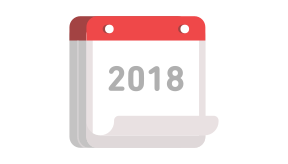 zweitausendachtzehn
twenty eighteen
Literal: two thousand eighteen
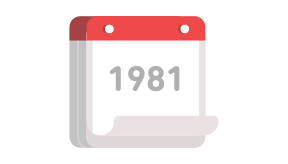 neunzehnhunderteinundachtzig
nineteen eighty‑one
Literal: nineteen hundred eighty‑one
When writing numbers in German, switch up the commas and dots from what we’d do in English! If something costs eintausendacht Euro fünfzig Cent, you’ll write it as €1.008,50!